Most professional service firms in Kitchener, Waterloo, and Cambridge that cannot move off page two of local search results do not have a content volume problem. They have an architecture problem. And the standard advice they have been following, collect more reviews, post more on Google Business Profile, publish blog content on a regular schedule, is actively making the problem worse.
After working with 80+ brands across the KWC region over 8 years, the pattern is consistent enough to state plainly: the firms stuck in positions 4 through 7 on the local pack almost never lack content. They lack the connective structure that tells Google those pages belong together and, taken together, prove narrow expertise in a specific geography. Publishing blog post 23 into that structure does not help. It gives Google one more unconnected document to deprioritize.
This is the frame most local SEO advice, including advice from agencies in this market, gets wrong.
Why GBP Optimization Hits a Ceiling
Google Business Profile optimization handles three things when done correctly: it confirms your business is real, it confirms where you operate, and it passes fresh engagement signals through reviews and posts. That is the ceiling of what it can do.
The businesses winning competitive terms like "commercial accountant Waterloo" or "HVAC contractor Cambridge" are not winning because they have 300 reviews instead of 150. They are winning because Google has indexed a coherent, interconnected cluster of pages that, taken together, proves specific expertise in a specific geography. Reviews confirm trustworthiness. Content architecture signals authority. These are different signals, and conflating them is the most common reason a GBP-focused campaign stalls after the first few months.
The Architecture Problem in Concrete Terms
Here is what broken information architecture looks like on a typical KWC professional services site.
An accounting firm in Waterloo has 22 blog posts. Each was written when someone had a topic idea: RRSP deadline, HST for small business, year-end checklist. None of them link to each other deliberately. None link to the service pages. The service pages do not link to the blog content. Every post is an island.
Google crawls that site and sees 22 documents that mention accounting and the word Waterloo. It does not see a resource it can confidently rank for "accountant for tech startups Waterloo" because nothing on the site clusters around that topic with enough depth to justify that position.
The fix is not to publish blog post 23. The fix is to connect what already exists, then fill the specific gaps.
Three Pillars, in the Order That Actually Matters
Most frameworks present these three elements as parallel. In practice, there is a required sequence. Businesses that jump to pillar 3 before establishing pillar 1 are building conversion architecture on top of an invisible foundation.
Pillar 1: Architecture Before Volume
The first job is to define one to three topic clusters your site will own, map every existing piece of content to a cluster, fix the internal links, and identify real gaps. Only then does publishing new content make sense.
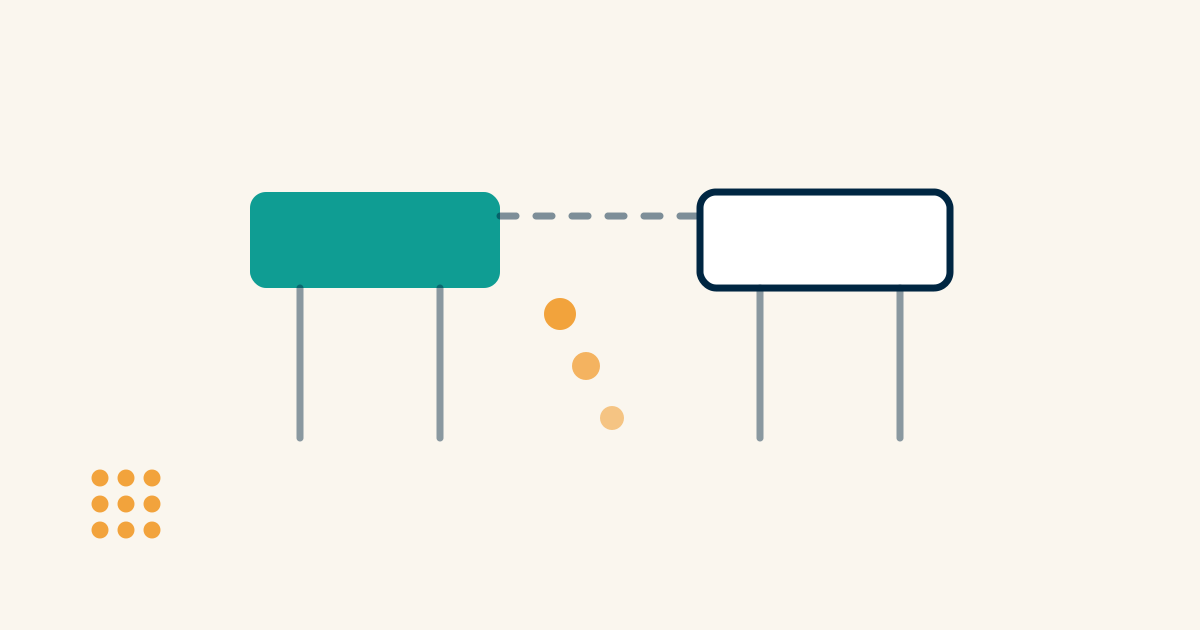
For a Cambridge manufacturing consultant, the cluster might be "operational efficiency for southwestern Ontario SMEs." The pillar page is a comprehensive guide. Cluster pages get specific: a lean manufacturing audit timeline for a 20-person shop in Cambridge, equipment depreciation planning for Ontario manufacturers, when to hire a fractional operations lead versus a consultant. These pages link to each other and back to the pillar page. The pillar page links back to them.
Every page carries appropriate Schema markup: Article for blog content, Service for service pages, FAQPage for decision-stage questions. Schema does not rank pages on its own. It removes ambiguity about what a page is and who it serves, which speeds up how Google categorizes it.
The uncomfortable implication: if your existing content does not fit a defined cluster, it should be consolidated or redirected, not left floating. A site with 15 well-connected pages outranks a site with 60 isolated ones in the same niche.
Pillar 2: Geographic Signal That Passes the Stranger Test
"We serve the KWC region" is not geographic targeting. It is a blank map.
The businesses that win neighbourhood-level searches embed local context that passes a simple test: if someone who had never visited KWC read the page, would they believe the author knows this market well?
Specific examples that pass the test:
- A trades contractor writing about panel upgrades in Kitchener's older East Ward homes, where 60-amp services remain common, is writing for a specific buyer in a specific situation.
- A commercial real estate advisor writing about office repositioning along the ION LRT corridor between Kitchener City Hall and Waterloo Town Square is anchoring advice to a geography the reader recognizes.
- A staffing firm writing about hiring pipelines for Waterloo tech startups between their seed and Series A rounds is naming a market that exists and is concentrated in this specific region.
These are not keyword-stuffing exercises. They are proof of market presence that a national agency writing from Toronto cannot fabricate. The Communitech ecosystem, the University of Waterloo research commercialization pipeline, the concentration of precision manufacturers along the Highway 8 corridor through Cambridge: these are real economic facts that belong in content written for this market.
Pillar 3: Conversion Architecture Requires the First Two to Work
If a user lands on a specific, well-structured page that matches their search intent, the conversion path is straightforward: the page proves expertise, a relevant case study confirms results in a recognizable context, a clear call to action offers the next step. No tricks required.
If a user lands on a generic service page disconnected from any topical cluster or local context, no amount of CTA optimization fixes the underlying problem. You are asking someone to commit before you have given them a reason to.
The measurable outcomes that follow from getting pillars 1 and 2 right: higher conversion rates from organic traffic, shorter sales cycles because buyers arrive pre-qualified by the content they already consumed, and a measurable increase in inbound leads who reference a specific piece of content rather than saying they are not sure how they found you.
The Claim Worth Pushing Back On
For most KWC professional services firms, a temporary content moratorium followed by a focused architecture audit will produce better 90-day results than continuing the publishing schedule.
Publish nothing new for 60 days. Fix the internal linking structure. Consolidate thin pages into stronger ones. Add Schema to every page that currently lacks it. Build one complete topic cluster from material you already have. Then resume publishing into that structure.
This is harder to sell as a service engagement than "we will publish eight posts per month." It requires upfront analysis with delayed visible output. But the ranking trajectory after a solid architecture is in place is meaningfully different from the trajectory of continuing to add content to a structurally broken site. Most agencies skip this step because the work is less visible, not because it is less effective.
Where to Start This Week
Three diagnostics that take under an hour and tell you whether you have a volume problem or an architecture problem:
- Pull your top 10 organic landing pages from Google Search Console. Assign each to a topic cluster. If you cannot assign most of them to a coherent cluster, the architecture problem is confirmed.
- Check whether your three most commercially important service pages link to any supporting content. If they are standalone pages, that is the first fix, not a new post.
- Search for your most important service keyword plus your city. Count how many pages from your domain appear in the results. If the answer is one or zero, your internal link structure is not distributing authority to the pages that need it.
In most cases across the firms we work with in KWC, the answer to all three checks points to architecture, not volume. The publishing calendar is not the bottleneck.
Book a strategy call to walk through your site's content architecture at qaurus.co/contact.
We built this structure from scratch for Relief Buddy, the Canadian platform dental and pharmacy clinics use to fill temporary shifts. Rather than publish into a flat archive, we built 296 landing pages and 35 blog posts around the way clinic owners and managers actually search, each one linked into the cluster it belonged to. Over six months the site went from 19 ranking keywords to 95, with 10 of them in Google's top three, and search impressions grew 157% to 33K. The profile work mattered, but it was the architecture underneath that moved the keyword count. Read the Relief Buddy case study.
Frequently asked questions
How long does content architecture take to show up in rankings? Structural work is slower than profile work. Profile and listing fixes correct data Google already holds and can move within weeks. Re-architecting a content cluster takes a couple of months before the internal links and topical grouping are crawled and counted.
Do I need to delete my old blog posts? Usually not. Most of the value comes from connecting what exists: linking posts to the service pages they support, and to each other. Delete only pages that are genuinely thin and have no search demand behind them.
How many pages does a cluster need to work? Fewer than people expect. Three or four genuinely distinct pages that link to each other and to a service page beat twenty unconnected posts. The connective structure is the signal, not the page count.
Is this different from just doing local SEO? It is the layer underneath it. Local SEO covers the profile, the listings and the reviews. Content architecture is what gives Google something to rank once those confirm you are real and nearby.
If your firm is stuck in positions four to seven and adding content has stopped helping, the problem is usually structural. Get a free Growth Leak Audit and we will map what your current architecture is actually telling Google.